
Pest Inspections
Professional pest inspections that detect, identify, and document every pest problem hiding in your property – from termite colonies and rodent activity to mosquito breeding sites and bird nesting areas. Our expert pest control services deliver safe, effective assessments that reduce risk and provide lasting protection.
Call now for a FREE inspection and quote – no obligation!
Thorough Inspections
Every room, crawl space, attic, and basement examined
Tailored Treatment Plans
Personalized IPM strategies for your specific situation
Eco-Friendly Products
Safe for your family and pets, tough on pests
Guaranteed Results
Free re-treatment if pests return between visits
5 Highlights on Pest Inspections
Thorough Visual and Thermal Assessments
Our certified pest control technicians inspect every crawl space, attic, basement, wall void, and foundation using thermal imaging cameras and moisture meters to detect hidden pest infestations that a standard walkthrough misses. These effective assessments form the foundation of our pest control services.
Wood Destroying Organism Reports
We prepare detailed WDO reports that satisfy lender requirements for pre-purchase and pre-sale real estate transactions, documenting subterranean termites, drywood termites, powderpost beetles, and carpenter ants with photographic evidence. These reports inform termite control strategies and protect your investment.
Integrated Pest Management Evaluations
Each pest inspection follows IPM principles, identifying harborage areas, entry points, and conducive conditions – including standing water that supports mosquito breeding and structural gaps that allow bird entry – so we can recommend targeted corrective treatments to manage and prevent pest problems rather than rely on broad-spectrum chemical applications.
Residential and Commercial Coverage
We inspect single-family homes, multi-unit dwellings, warehouses, restaurants, and office buildings. Our licensed inspectors evaluate structural vulnerabilities specific to each property type and recommend year-round recurring service plans for properties that need ongoing monitoring.
Detailed Inspection Reports with Treatment Plans
Every client receives a comprehensive inspection report that documents findings with photographs, diagrams, and a prioritized treatment plan. We identify active pest infestations, dormant colonies, and preventive measures your property needs to eliminate threats, treat existing damage, and avoid future risk.
Why Choose Our Pest Inspections
Pest inspections from A Scientific Pest Control are conducted by licensed, certified professionals who carry state applicator certifications and follow NPMA standards. Our expert inspectors are trusted throughout California for delivering industry-leading pest control services. We don’t cut corners. We probe, measure, photograph, and document.
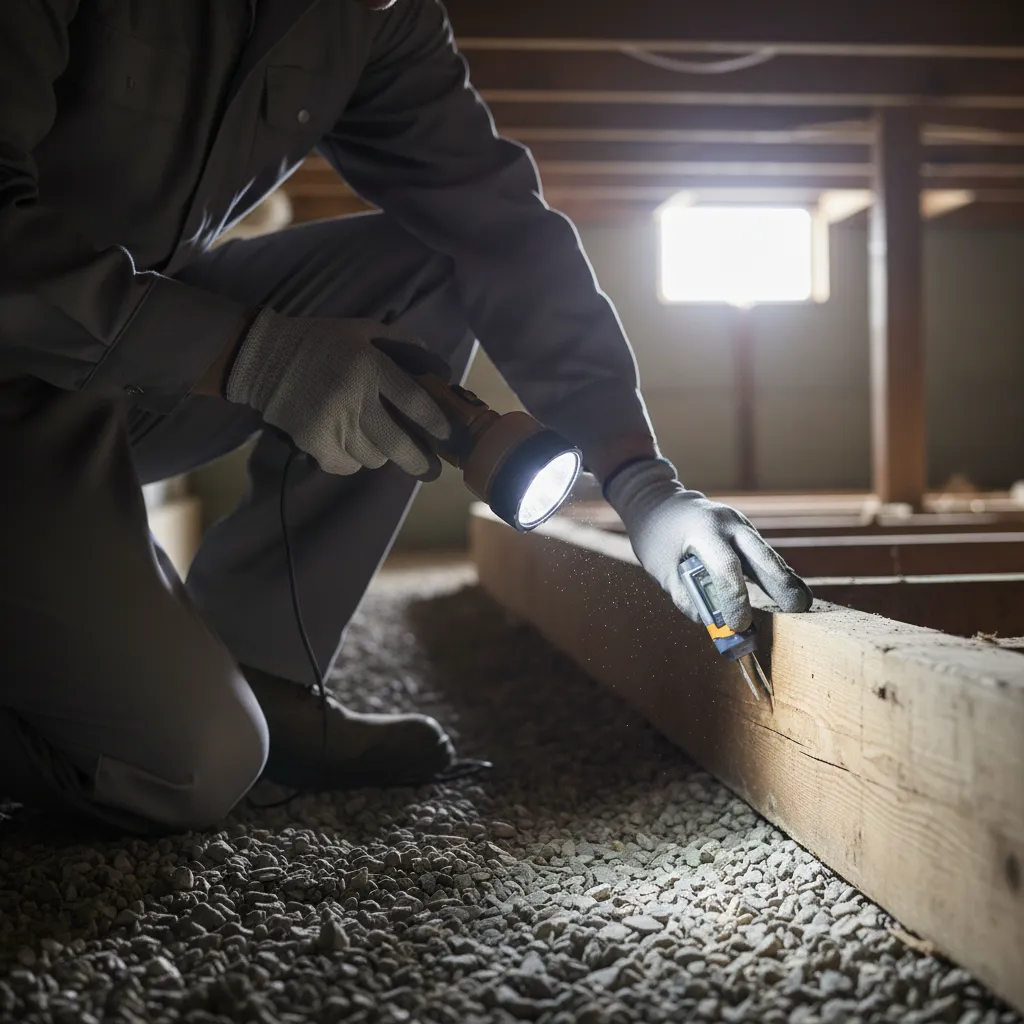
Our inspectors bring the right tools to every job. Thermal imaging cameras reveal termite activity behind walls. Moisture meters pinpoint dampwood conditions that attract wood-destroying organisms. Borescopes let us see inside wall voids without drilling. This equipment makes our pest control service more effective and separates a professional pest inspection from a quick visual scan.
We back our work with a satisfaction guarantee. If we miss something during a comprehensive inspection, we return at no charge to reassess and update your report. Our clearance letters and WDO reports carry the weight of a trusted, award-winning pest control company with decades of field experience. Every inspection is designed to deliver safe, lasting protection for your property.
A Scientific Pest Control holds an active pest control license and maintains full liability coverage. Our technicians complete quarterly training on the latest detection methods, including identifying resistant species like German cockroaches and subterranean termite colonies that build mud tubes in concealed areas.
You get a named inspector assigned to your property. That same professional handles your inspection, writes your report, and answers your questions directly. No call centers. No runaround. Just qualified experts who know what they’re looking at.
Don't Let Pests Take Over Your Home
Our California pest control experts are ready to protect your property. Call us today for a free, no-obligation inspection.
Signs You Need Pest Inspections
Pest inspections are the first line of defense when your property shows warning signs of a pest problem. Here are five situations that call for an immediate professional assessment to reduce risk and prevent further damage.
Droppings, Frass, or Sawdust in Unusual Places:
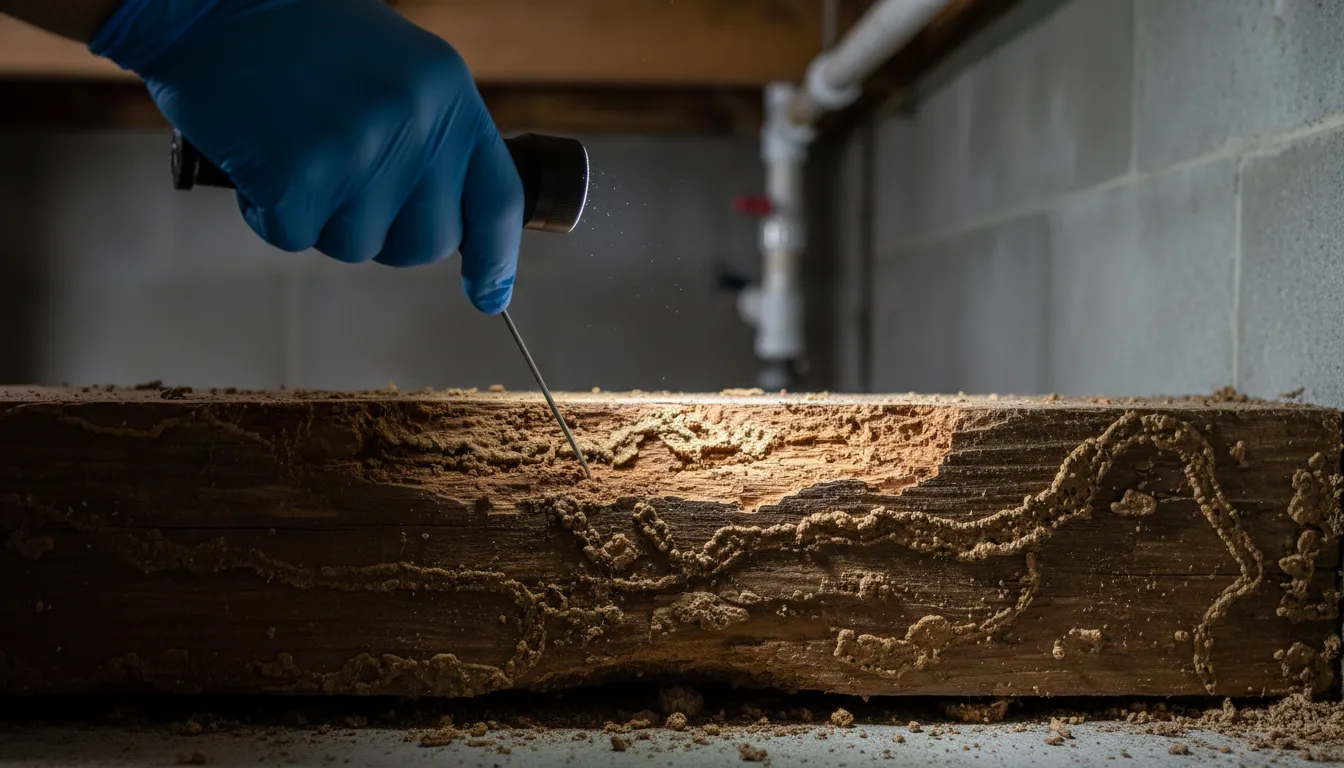
Rodent droppings near baseboards, frass beneath wooden beams, or fine sawdust below exit holes all signal active infestations. Rat droppings are capsule-shaped and roughly half an inch long. Termite frass looks like tiny wood-colored pellets. Carpenter ant activity produces coarse sawdust mixed with insect body parts. Each type of debris tells a trained inspector exactly which pest has colonized your structure.
Mud Tubes on Foundation Walls:
Subterranean termites build mud tubes to travel between soil and wood. These pencil-width tunnels run along foundation slabs, piers, and crawl space walls. A single mud tube can indicate a colony of hundreds of thousands of termites feeding on your subfloor and structural framing.
Gnaw Marks and Grease Marks Along Walls:
Rats and mice gnaw on wiring, wood, and plastic. They leave grease marks and rub marks along their travel paths. These signs point to an established rodent population that a routine inspection can map and quantify, forming the basis for effective rodent control.
Shed Skins, Egg Casings, or Live Insects:
Bed bug shed skins on mattress seams, cockroach oothecae behind appliances, or flea larvae in carpet fibers all warrant a thorough pest inspection. These reproductive indicators mean the population is breeding and growing.
Real Estate Transactions Requiring WDO Reports:
Lenders and buyers frequently require a Wood Destroying Organism report before closing. A pre-purchase pest inspection identifies termite damage, carpenter bee boring, powderpost beetle exit holes, and other structural concerns that affect property value and safety.
California Structural Pest Control
General Liability & Workers’ Comp
Ongoing IPM Training
EPA-Compliant Products
Our Pest Inspection Process
Pest inspections at A Scientific Pest Control follow a structured, repeatable process that leaves nothing unchecked.
Scheduling and Pre-Inspection Consultation
We gather property details over the phone – square footage, construction type, known pest history, and the reason for the inspection. Whether you’re dealing with an active pest problem or scheduling a preventive assessment, this lets our inspector arrive prepared with the right tools and documentation.
Exterior Perimeter Survey
The inspector walks the full perimeter. They evaluate the foundation, eaves, soffits, fascia, gutters, downspouts, and drainage patterns. They check for entry points, cracks in the slab, gaps around vent screens, and missing door sweeps or weather stripping. Standing water in gutters, planters, or low-lying areas is flagged for mosquito prevention. Every finding gets photographed.
Interior Room-by-Room Assessment
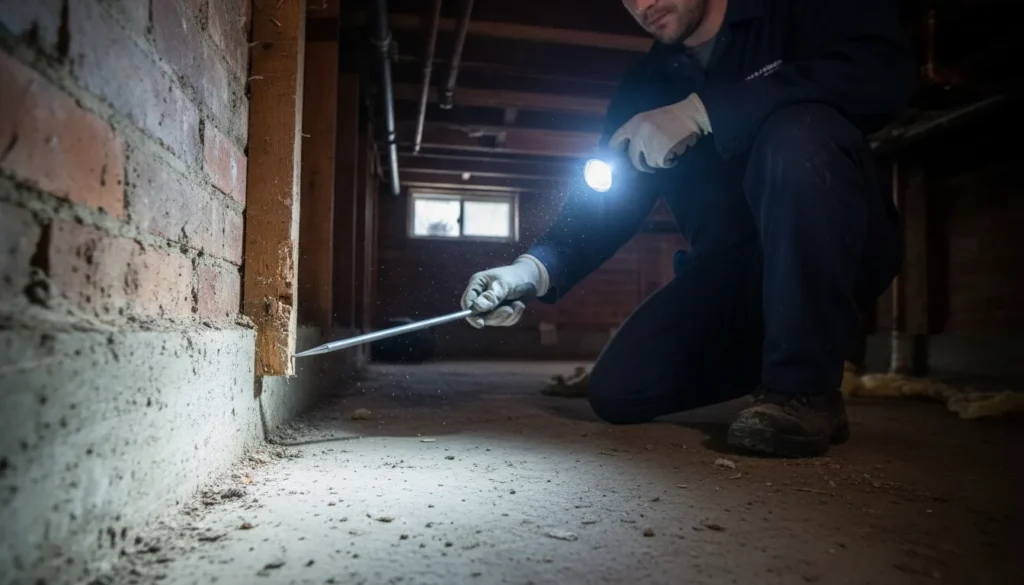
Inside, the inspector examines each room, closet, and utility area. They probe wood members in the attic and crawl space, checking for bird nesting material and signs of mosquito entry. They scan walls with thermal imaging to detect moisture-related conditions and hidden colonies. Basements and subfloors receive close attention for signs of dampwood termites and rodent burrows.
Documentation and Reporting
All findings go into a formal inspection report. This document includes labeled photographs, a site diagram, identified pest species, severity ratings, and a recommended treatment plan. WDO reports and clearance letters are prepared when requested.
Review and Recommendations
Your inspector reviews the report with you in person or by phone. They explain each finding, answer questions, and outline next steps – whether that means scheduling a targeted treatment to eliminate an active pest infestation, sealing exclusion points to manage entry pathways, or certifying the property as pest-free. We also discuss options to treat conducive conditions and reduce the risk of future pest problems.
Ready to Get Started?
Three simple steps: Call us, schedule your free inspection, and enjoy a pest-free home.
Brands We Use
Pest inspections require reliable detection equipment and trusted monitoring products. A Scientific Pest Control uses professional-grade tools and materials from these top-rated manufacturers:










All monitoring products we deploy carry EPA registration where required.
Other Services
Pest inspections
Pest inspection services
Detect infestations in homes
Home pest inspection
Residential pest assessment
Identify termites and rodents
Pre-purchase pest inspection
Real estate pest inspection
WDO report for home buyers
Commercial pest inspection
Business pest evaluation
Inspect for cockroaches and rodents
Termite inspection
Wood-destroying organism inspection
Mud tubes and frass detection
FAQs About Pest Inspections
What does a pest inspection cover?
A pest inspection is a systematic evaluation of your property’s interior and exterior for signs of pest infestation. Our inspectors check the foundation, crawl space, attic, basement, wall voids, eaves, soffits, and every accessible room. We look for droppings, frass, mud tubes, gnaw marks, shed skins, egg casings, exit holes, and live or dead insects and rodents. The inspection covers wood-destroying organisms like termites, carpenter ants, powderpost beetles, and carpenter bees, along with common pests including cockroaches, bed bugs, fleas, mosquitoes, spiders, birds, and rodents.
When should I schedule a pest inspection?
Schedule one before buying or selling a home. Lenders often require a WDO report before closing. You should also book an inspection if you notice pest activity, plan a renovation, or haven’t had your property assessed in over a year. Year-round recurring service plans with quarterly and annual inspections work well for commercial properties like restaurants and warehouses that need ongoing mosquito control, rodent control, and termite control.
How long does a professional pest inspection take?
Most residential pest inspections take 45 minutes to two hours depending on the property’s size and accessibility. Larger commercial buildings may require a half day. Crawl spaces, attics, and multi-story structures add time.
Can a pest inspection find hidden termite damage?
Yes. Our inspectors use thermal imaging cameras, moisture meters, and probing tools to detect termite colonies concealed inside walls, beneath subfloors, and within structural framing. Thermal scans reveal heat signatures from active colonies that a visual inspection alone would miss. Early detection through these methods supports effective termite control and helps eliminate colonies before they cause irreversible structural damage.
How much does a pest inspection cost?
Pricing depends on property size, type, and the scope of the inspection. A standard residential pest inspection is affordable and typically costs less than a single structural repair caused by undetected termite damage. Our expert inspectors use safe, proven methods that deliver results. Contact A Scientific Pest Control for a free quote tailored to your property.
Does a pest inspection include treatment?
No. A pest inspection is a diagnostic control service. We assess, identify, document, and report. If we find active pest infestations or conducive conditions, we provide a detailed treatment plan with pricing as a separate service to eliminate, manage, and prevent the pest problem. This keeps the inspection objective and the report accurate.
Protect Your Home Today
Get expert pest inspections backed by science, delivered by certified professionals across California. Your free inspection is one call away.