
Pest Exclusion & Proofing
Permanent structural defense that seals pests out before they get in
Call now for a FREE inspection and quote – no obligation!
Thorough Inspections
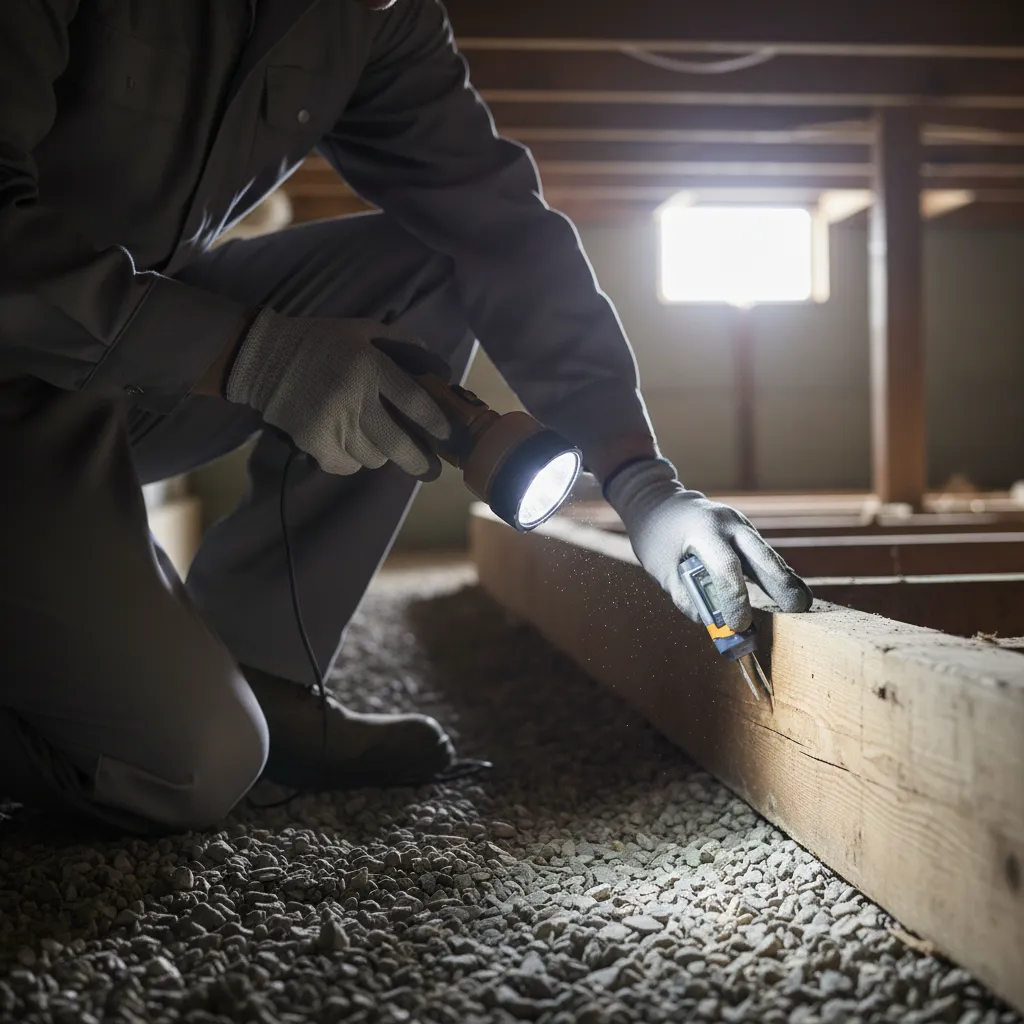
Every room, crawl space, attic, and basement examined
Tailored Treatment Plans
Personalized IPM strategies for your specific situation
Eco-Friendly Products
Safe for your family and pets, tough on pests
Guaranteed Results
Free re-treatment if pests return between visits
5 Highlights of Our Pest Exclusion & Proofing Service
Comprehensive entry point sealing
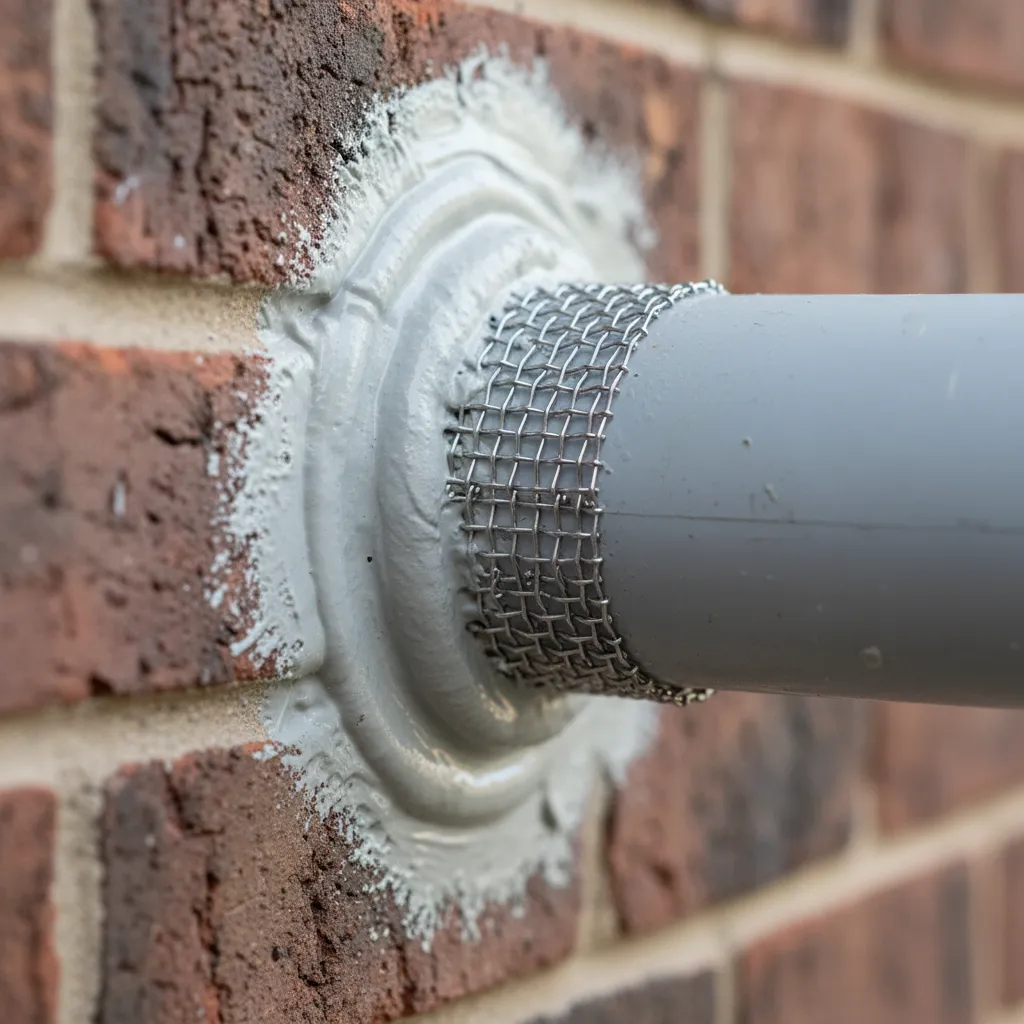
Our pest control technicians inspect every gap, crack, crevice, plumbing penetration, and utility opening across your structure. Sealing entry points with exclusion materials like copper mesh, steel wool, expanding foam, and mortar blocks rodents, insects, and wildlife from entering.
Rodent proof construction methods
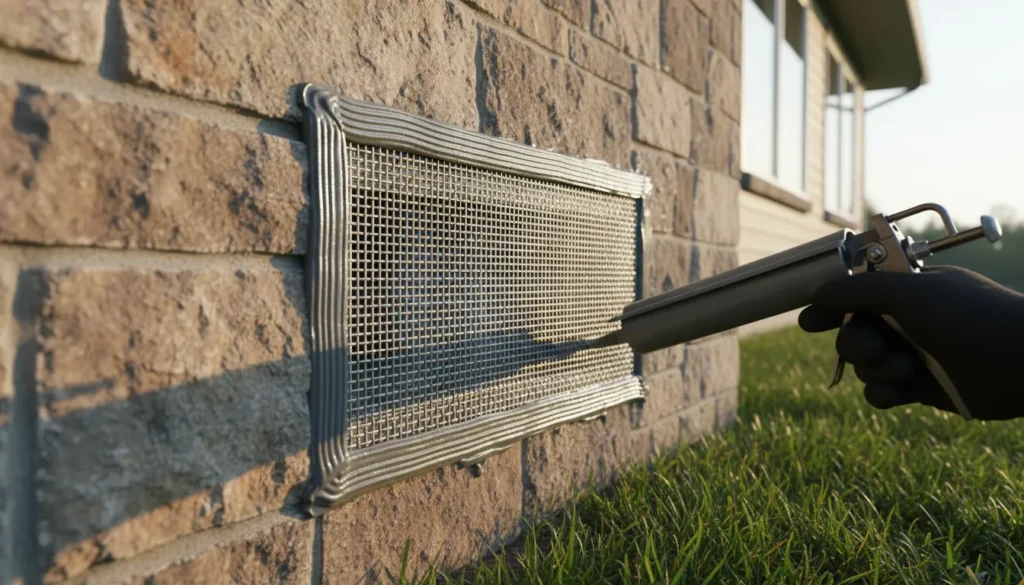
We install hardware cloth over vent covers, fit door sweeps at every threshold, and apply weatherstripping to deny rats, mice, squirrels, and other gnaw prone invaders access to your attic, garage, crawl space, and wall cavities. Our rodent control methods cover attics, basements, and every vulnerable area of your structure.
Bird and wildlife exclusion
Our team mounts bird spikes, bird wire, and netting on eaves, soffits, and fascia. We cap chimneys, screen ridge vents, and install one way doors to relocate bats, pigeons, starlings, and raccoons humanely.
Long lasting, tamper proof materials
Every sealant, mesh, and concrete patch we apply is resistant to gnawing, weathering, and UV degradation. Our exclusion work stays intact for years.
Integrated Pest Management alignment
Pest exclusion and proofing is the preventive backbone of any IPM program. We reduce chemical dependency by physically restricting pest access at the source, cutting off food and shelter that attract them. This environmentally friendly approach helps eliminate recurring pest problems without heavy reliance on pesticides.
Why Choose Our Pest Exclusion & Proofing Service
Pest exclusion and proofing is the most effective long term pest control strategy available for homes and businesses alike. A Scientific Pest Control delivers this service with the precision and structural knowledge that separates qualified professionals from general exterminators.
Our licensed pest control technicians hold current certifications and follow EPA guidelines for every exclusion project. We don’t just spray and leave. We identify the root cause of infestations and seal the entry points that allow pests to return. Whether you are dealing with a rodent infestation, bird intrusion, or insect invasion, that approach saves you money on repeated treatments and ensures your property stays protected from ongoing structural damage caused by rodents, termites, and wildlife.
We back our exclusion work with a service agreement that guarantees results. If pests re-enter through any sealed entry point during the coverage period, we return and remediate at no additional cost.
Our team has proofed hundreds of residential and commercial structures across the Bay Area and throughout California. We’ve sealed crawl space encapsulations, fortified foundation gaps with concrete patch and mortar, screened soffit vents with wire mesh, and installed chimney caps on buildings of every size. We also repair damage left behind by pests, including contamination from droppings and waste in attics and crawl spaces. Each project gets a detailed inspection report and a written treatment plan before we begin any work.
A Scientific Pest Control is a trusted, top rated provider because we treat exclusion as a building science, not an afterthought.
Don't Let Pests Take Over Your Home
Our California pest control experts are ready to protect your property. Call us today for a free, no-obligation inspection.
Signs You Need Pest Exclusion & Proofing
Pest exclusion and proofing is necessary when your house or commercial building shows physical evidence that pests are entering, nesting, or traveling through gaps in the building envelope. If you are dealing with any of these five signs, you need professional exclusion work.
Droppings along walls, in cabinets, or in the attic:
Rodent droppings near baseboards, pipe penetrations, or inside wall cavities confirm that a rat or mouse has found a way in. A single mouse can squeeze through a gap the width of a pencil. Droppings in hidden areas like cabinet voids or behind appliances mean active entry points exist and need sealing.
Gnaw marks on wires, wood, or foam sealant:
Rats and squirrels gnaw through expanding foam, rubber flanges, and even soft metals. Visible gnaw marks on utility openings, HVAC boots, or weatherstripping tell you that existing barriers have failed and need reinforcement with gnaw proof materials like steel wool or hardware cloth.
Sounds in the attic or crawl space at night:
Scratching, scurrying, or thumping noises after dark often point to nocturnal invaders like raccoons, bats, or roof rats moving through your attic or walls. These animals exploit gaps at the roofline, soffit intersections, and ridge vents. Exclusion devices and one way doors can remove them without lethal methods.
Daylight visible through gaps around doors, vents, or the foundation:
If you can see light through a weep hole, threshold, or louver, pests can pass through it. Insects, spiders, and even snakes exploit permeable openings that seem too small to matter.
Recurring infestations despite repeated treatments:
This is the clearest sign. If you’ve sprayed, baited, and trapped but pests keep returning, the structure itself is vulnerable. Pesticide alone won’t solve a building envelope problem, no matter how many times you apply it. The only way to get rid of pests for good is professional pest proofing that closes every gap permanently.
California Structural Pest Control
General Liability & Workers’ Comp
Ongoing IPM Training
EPA-Compliant Products
Our Pest Exclusion & Proofing Process
Pest exclusion and proofing is a structured, multi step process that begins with a thorough assessment and ends with verified, sealed protection.
Full Structure Inspection
Our technician surveys the entire exterior and interior of your property. We check the foundation, crawl space, attic, garage, roofline, soffits, fascia, eaves, plumbing lines, pipe penetrations, utility openings, vents, and thresholds. Every gap, crack, and crevice gets documented in a written inspection report.
Pest Identification and Entry Point Mapping
We identify which pests are present – rodent, insect, bird, or wildlife – and map every active and potential entry point. Rub marks, droppings, nesting material, and gnaw damage help us assess the scope of the infestation. A rodent infestation, for example, may reveal multiple entry routes that require coordinated sealing.
Exclusion Plan Development
We create a detailed treatment plan specifying the exclusion materials and methods for each entry point. This includes copper mesh, steel wool, concrete patch, caulk, foam sealant, hardware cloth, door sweeps, chimney caps, vent covers, bird spikes, netting, and one way doors as needed.
Sealing and Proofing Installation
Our crew seals, screens, patches, caulks, and reinforces every identified opening. We install weatherstripping, door sweeps, gutter guards, and crawl space encapsulation components where the plan calls for them.
Monitoring and Follow Up
We place monitoring stations and indicator traps at key locations. A follow up inspection confirms that all sealed areas remain intact and pest free. Your service agreement outlines the warranty and any scheduled re-inspections.
Ready to Get Started?
Three simple steps: Call us, schedule your free inspection, and enjoy a pest-free home.
Brands We Use
Pest exclusion and proofing is only as reliable as the materials installed. A Scientific Pest Control uses professional grade products from these trusted manufacturers:






All materials we install are non toxic or low toxicity where they contact living spaces.
Other Services
Pest exclusion
Pest proofing
Seal entry points for pests
Rodent exclusion service
Rodent proofing
Mouse proof home gaps
Wildlife exclusion
Animal proofing
One way door pest removal
Pest exclusion contractor
Exclusion pest control
Crawl space pest sealing
Home pest proofing
Structural pest exclusion
Gap and crack pest prevention
FAQs About Pest Exclusion & Proofing
What is pest exclusion and proofing?
Pest exclusion and proofing is the practice of physically sealing a structure to prevent pests from entering. Technicians identify gaps, cracks, vents, and openings across the building envelope, then close them with materials like copper mesh, steel wool, caulk, hardware cloth, and concrete patch. It’s a preventive approach that stops infestations before they start by denying pests access to food, water, and shelter inside your property.
When should I schedule pest exclusion work?
Schedule it as soon as you notice signs of pest activity – droppings, gnaw marks, nesting material, or recurring infestations. Fall is a peak season because rodents and wildlife seek shelter before winter. But exclusion work is effective year round, and every property has different needs that our technicians assess on site.
Why is pest proofing better than spraying alone?
Spraying treats the symptom. Proofing treats the cause. Pesticides kill pests already inside, but they don’t stop new ones from entering through the same gaps over time. Exclusion seals those entry points permanently, helping you get rid of the problem at its source while reducing your need for chemical treatments and delivering longer lasting results.
How long does a pest exclusion project take?
Most residential projects take one to three days depending on the size of the structure and the number of entry points. A full crawl space encapsulation or extensive roofline exclusion may take longer. Your technician will outline the timeline in your treatment plan.
Can pest exclusion keep out all types of pests?
Exclusion is effective against rodents, wildlife, birds, and many insects. Rats, mice, squirrels, bats, raccoons, pigeons, cockroaches, and spiders are among the most common targets. Rodent control in particular benefits from exclusion because it addresses the structural gaps that traps and bait alone cannot fix. Some pests like termites require additional treatment methods, but exclusion remains a core component of any integrated pest management program.
Does pest proofing damage my home?
No. Professional exclusion work uses materials and methods designed to integrate with your existing structure. We match sealants, patches, and screening to your building materials so your house looks the same or better after service. The result is a more secure, pest free property with no cosmetic damage.
Protect Your Home Today
Get expert pest exclusion & proofing backed by science, delivered by certified professionals across California. Your free inspection is one call away.