
Ant Control
Professional ant control services that help eliminate colonies at the source, get rid of recurring infestations, and solve ant problems in residential and commercial properties.
Call now for a FREE inspection and quote – no obligation!
Thorough Inspections
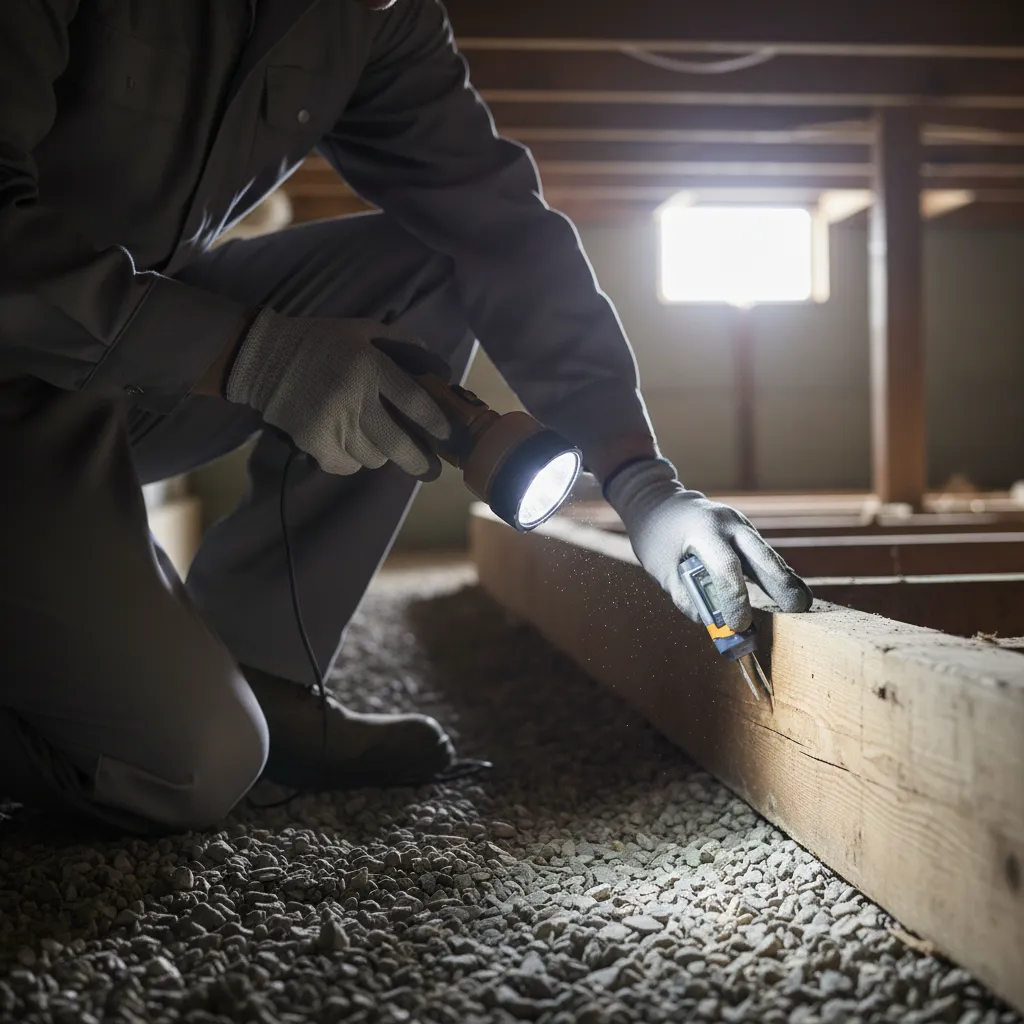
Every room, crawl space, attic, and basement examined
Tailored Treatment Plans
Personalized IPM strategies for your specific situation
Eco-Friendly Products
Safe for your family and pets, tough on pests
Guaranteed Results
Free re-treatment if pests return between visits
5 Highlights on Ant Control
Colony Elimination at the Source
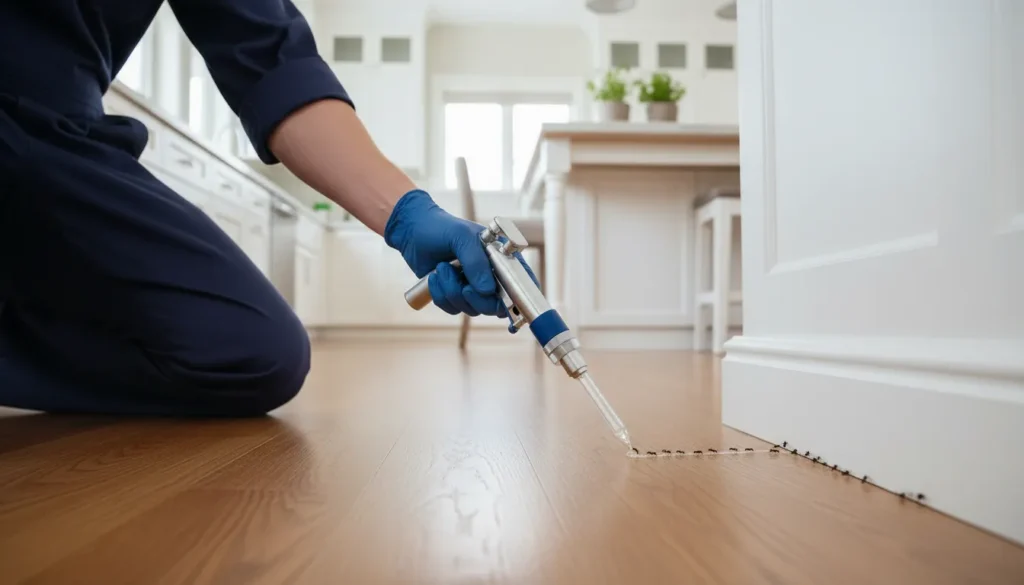
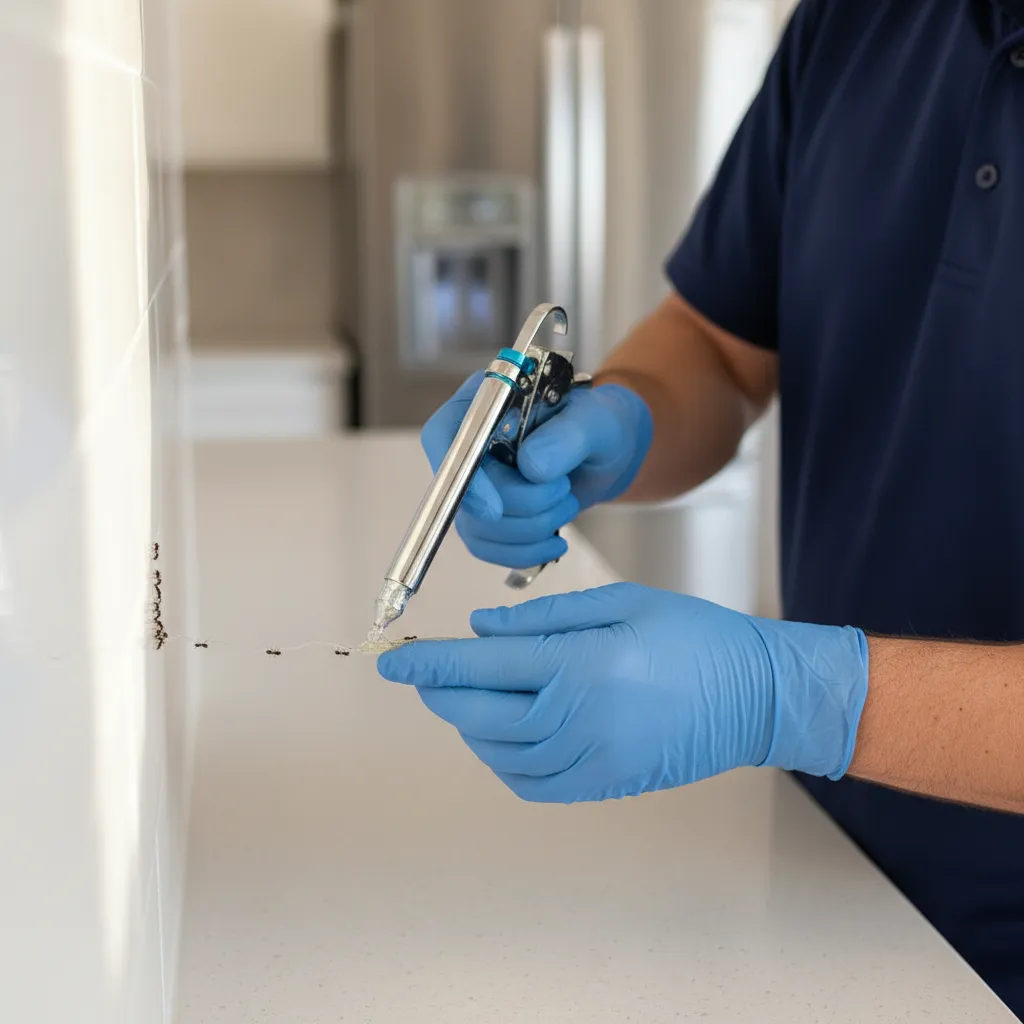
Our ant control technicians don’t just spray visible trails. We find the queen, target the nest, and eliminate the entire colony using professional grade bait gel and granular insecticide applications that worker ants bring back to the mound, effectively killing every member including larvae and reproductives.
Species Specific Treatment Plans
Fire ants, carpenter ants, pharaoh ants, Argentine ants, odorous house ants, little black ants, and pavement ants each respond to different treatment methods. We identify the exact type and species infesting your property and apply the right pesticide formulation for that ant.
Integrated Pest Management (IPM) Approach
Our ant control process combines baiting, exclusion, perimeter barrier treatment, and ongoing monitoring with a focus on long-term results. This multi-step strategy eliminates current infestations as well as prevents new colonies from invading.
Interior and Exterior Perimeter Protection
We seal cracks, treat entry points along foundations and baseboards, and apply residual insecticide barriers around your property’s full perimeter – even at ground level where crawling ants typically enter. Gaps and openings that allow ants to colonize your structure are permanently closed off.
Guaranteed Results with Follow Up Service
Every ant control treatment comes with our satisfaction guarantee. If ants are still active or return within a week of service, we retreat your property at no additional charge. We want to solve your ant problem completely, not temporarily.
Why Choose Our Ant Control
Ant control is a specialized discipline that demands accurate species identification, targeted chemical application, and structural knowledge of how colonies forage and nest. A Scientific Pest Control delivers all three with every service call. As a trusted pest control company, we know what it takes to get rid of ants for good.
Our pest control operators hold state certifications and complete annual training on the latest ant control products and techniques. We’ve treated thousands of residential and commercial properties across the region, and we understand the behavioral differences between ground-nesting species like fire ants and structural invaders like carpenter ants. That distinction matters because the wrong bait or the wrong application method wastes time and money.
We use professional formulations that aren’t available over the counter. Products used by our technicians – containing fipronil, hydramethylnon, and imidacloprid – outperform retail sprays because they transfer through the colony via trophallaxis, the food sharing behavior ants rely on. One treated worker ant can contaminate hundreds of nestmates, including the queen.
Our team also offers eco friendly and non toxic ant control options for homes with children, pets, or sensitivities. Whether you have a pet, a young family, or specific health conditions, we accommodate your needs. Diatomaceous earth, boric acid, and botanical pyrethrin treatments provide effective colony control with minimal environmental impact.
You get a dedicated technician who knows your property. You get a written treatment plan with transparent pricing. You get a guarantee. Ask for a free quote and learn why homeowners and businesses trust A Scientific Pest Control to solve ant infestations the right way – with science, precision, and accountability.
Don't Let Pests Take Over Your Home
Our California pest control experts are ready to protect your property. Call us today for a free, no-obligation inspection.
Signs You Need Ant Control
Ant control becomes necessary the moment a minor sighting turns into a pattern. Here are five signs your property has an active infestation that requires professional treatment. Look for these indicators and take action before conditions worsen.
Visible Ant Trails Along Walls or Floors:
Ants are social insects. They don’t travel alone. When you see a line of crawling worker ants marching along a baseboard, countertop, or foundation wall, they’re following a pheromone trail laid down by scout ants. That trail connects a food source to a nest, and it means a colony has already established a foraging route inside your structure. Spraying the trail kills a few ants but does nothing to the thousands breeding in the nest.
Small Piles of Sawdust or Frass Near Wood Structures:
Carpenter ants, including black carpenter ants, burrow into damp or decaying wood to excavate nesting galleries. They don’t eat the wood – they push it out. If you’ve found fine, sawdust like debris near window frames, door jambs, or crawl space joists, carpenter ants are actively destroying your property’s structural timber. Finding this type of frass is a clear indicator that related damage may already be significant.
Winged Ants Swarming Indoors:
Winged ants are reproductive drones and queens leaving an established colony to mate and start new colonies. A swarm inside your home means a mature colony exists somewhere within the structure. Many homeowners confuse winged ants with termites. Both require immediate professional inspection, but the treatment protocols differ completely.
Ant Mounds in the Yard or Along the Foundation:
Fire ants and pavement ants build visible mounds in soil, lawns, and along concrete slabs. A single fire ant mound can house over 200,000 ants that live and breed underground. These mounds near your foundation create a direct invasion path into your home. Fire ants also deliver painful, venomous stings that pose serious health risks to children and pets.
Recurring Ant Activity After DIY Treatment:
Retail ant sprays and traps repel ants from one area, but the colony simply reroutes. Pharaoh ants are especially resistant to repellent sprays – they respond by budding, which means the colony splits into multiple new colonies throughout the structure. If you’ve sprayed and the ants keep coming back, getting professional ant control that targets the colony itself is the only way to make the problem stop. Even well-intentioned DIY efforts matter less than a single professional treatment that addresses the root cause.
California Structural Pest Control
General Liability & Workers’ Comp
Ongoing IPM Training
EPA-Compliant Products
Our Ant Control Process
Ant control starts with a thorough inspection and ends with documented prevention. Here’s how A Scientific Pest Control helps you get rid of ant infestations step by step.
Comprehensive Property Inspection
Our technician inspects the interior and exterior of your property. We check baseboards, crevices, crawl spaces, foundations, window frames, and landscaping beds. We look for moisture conditions, water sources, and entry points that attract and allow ant activity. We identify the ant species, locate active trails, and find the nest or narrow down its probable location.
Species Identification and Treatment Selection
Different ant species require different control strategies. We diagnose and identify whether you’re dealing with carpenter ants, fire ants, sugar ants, Argentine ants, black ants, or pharaoh ants. That identification determines whether we bait, dust, drench, spray, or combine multiple methods. Each type of infestation calls for a tailored approach.
Targeted Treatment Application
We apply bait stations and bait gel along active foraging trails so worker ants carry the insecticide back to the colony. For exterior mounds, we apply granular insecticide or liquid drench directly into the nest. We treat cracks, entry points, and the full perimeter with residual barrier spray.
Exclusion and Sealing
Our team seals gaps around pipes, utility lines, door sweeps, and foundation cracks where ants penetrate the structure. Exclusion work cuts off the colony’s access and prevents reinfestation from neighboring properties.
Monitoring and Follow Up
We schedule a follow up visit to monitor bait stations, inspect treated areas, and confirm colony elimination. Ongoing ant control plans include quarterly perimeter treatments and interior inspections to keep your property ant free year round.
Ready to Get Started?
Three simple steps: Call us, schedule your free inspection, and enjoy a pest-free home.
Brands We Use
Ant control products must be effective, properly labeled, and applied by trained professionals. A Scientific Pest Control uses only top rated, EPA registered brands trusted across the pest control industry.








We follow all label directions and safety data sheets. Our technicians wear protective equipment during every application.
Other Services
Ant control
Ant extermination
Colony elimination treatment
Ant control services
Ant removal service
Residential ant infestation treatment
Professional ant control
Expert ant exterminator
Integrated pest management for ants
Carpenter ant control
Carpenter ant treatment
Wood destroying ant inspection
Fire ant control
Fire ant yard treatment
Outdoor ant mound eradication
FAQs About Ant Control
What does professional ant control include?
Ant control from A Scientific Pest Control includes a full property inspection, species identification, targeted bait and insecticide application, exclusion work to seal entry points, and follow up monitoring. We treat both the visible infestation and the hidden colony to help prevent ants from returning. Ask about our maintenance plans for ongoing protection.
When is the best time to schedule ant control?
Ant colonies are most active during warm weather months when they forage aggressively and swarm to establish new nests. Spring and summer are peak seasons for ant control, but carpenter ants and pharaoh ants infest structures year round regardless of weather conditions. Schedule treatment at the first sign of activity – waiting even a few days or weeks allows colonies to grow and spread at times that catch homeowners off guard.
Why don't store bought ant sprays work?
Retail sprays contain repellent chemicals that scatter ants without killing the colony. Pharaoh ants and Argentine ants respond to repellent sprays by budding into multiple satellite colonies, making the infestation worse. Professional ant control uses non repellent insecticides and slow acting baits that worker ants unknowingly bring back to the queen, which is how we kill the entire colony from within.
How long does ant control treatment take to work?
Bait based ant control typically eliminates a colony within 7 to 14 days. Worker ants must forage the bait, return it to the nest, and feed it to larvae, soldiers, and the queen through trophallaxis. Larger colonies or multi nest infestations may require a second treatment cycle. In some cases, you may notice reduced ant activity within the first week.
Can ant control be done safely around pets and children?
Yes. We offer non toxic and low toxicity ant control options including boric acid, diatomaceous earth, and tamper resistant bait stations. Whether you have a pet, small children, or a family member with sensitivities, our technicians accommodate your needs and place all products in protected areas away from contact zones. We provide clear safety instructions after every treatment.
Does ant control prevent future infestations?
Ant control paired with perimeter barrier treatment and exclusion work significantly reduces the risk of reinfestation. Our quarterly maintenance plans include scheduled inspections, fresh bait station placement, and residual insecticide reapplication around your property’s foundation and entry points. This ongoing approach helps keep related pest activity from developing into a new problem.
How much does ant control cost?
Pricing for ant control depends on the size of your property, the severity of the infestation, and the species involved. Contact us for a free quote – we provide transparent pricing with no hidden fees, and our technicians will walk you through every cost before treatment begins.
Protect Your Home Today
Get expert ant control backed by science, delivered by certified professionals across California. Your free inspection is one call away.