
Termite Control
Professional termite control services that detect, treat, and prevent termite infestations in residential and commercial properties. Whether you own a house, manage an office, or operate a business, our termite services are designed to solve every termite problem before it threatens your structure.
Call now for a FREE inspection and quote – no obligation!
Thorough Inspections
Every room, crawl space, attic, and basement examined
Tailored Treatment Plans
Personalized IPM strategies for your specific situation
Eco-Friendly Products
Safe for your family and pets, tough on pests
Guaranteed Results
Free re-treatment if pests return between visits
5 Highlights on Termite Control
Licensed and Certified Technicians
Our termite control team includes state licensed exterminators and certified pest control operators who inspect, treat, and monitor properties using integrated pest management protocols. Every technician is professionally trained, carries current credentials, and completes annual education on the latest termiticide applications and bait system technologies to deliver top-notch results on every job.
Subterranean and Drywood Treatment
We treat all termite species common to the region, including subterranean colonies that build mud tubes along foundations and drywood termites that infest attic framing, joists, and sill plates. Each species demands a different approach, and we match the right termiticide to the right threat.
Pre Construction and Post Construction Barriers
Our termite control services cover new builds and existing structures. We apply soil applied chemical barriers before slabs are poured and install post construction perimeter treatments around established foundations, crawl spaces, and subfloors.
Bait Stations and Monitoring Systems
We install and maintain professional grade bait systems that intercept foraging worker termites before they reach your structure. Ongoing monitoring catches new colony activity early, keeping your property clean and termite-free year round.
Warranty Backed Protection
Every termite control service comes with a written warranty and retreat guarantee. If termites return during your coverage period, we retreat the affected area at no additional cost.
Why Choose Our Termite Control
Termite control is a specialized discipline that requires precise chemical application, structural knowledge, and years of field experience. A Scientific Pest Control is a company that brings all three to every job, and our clients consistently recommend us as the best termite control provider in the region.
Our exterminators are licensed professionals who’ve inspected thousands of properties for termite damage. We don’t guess. We use thermal cameras, moisture meters, and borescopes to detect active colonies behind drywall, inside wall studs, and beneath subfloors. That diagnostic accuracy means we treat the actual infestation rather than spraying blindly and hoping for results.
We carry full commercial liability coverage and maintain active pest control operator licenses with our state regulatory agency. Our technicians follow EPA guidelines for every termiticide application, whether we’re injecting product through drill holes along a foundation or installing bait stations around a perimeter trench.
What separates our termite control service from the competition is accountability. We issue detailed inspection reports before treatment begins. We explain exactly what we found, where we found it, and how we plan to eradicate it. When you request a free estimate, our team arrives ready to support you with a clear breakdown of costs and a written warranty contract that spells out coverage terms, retreat provisions, and annual monitoring schedules.
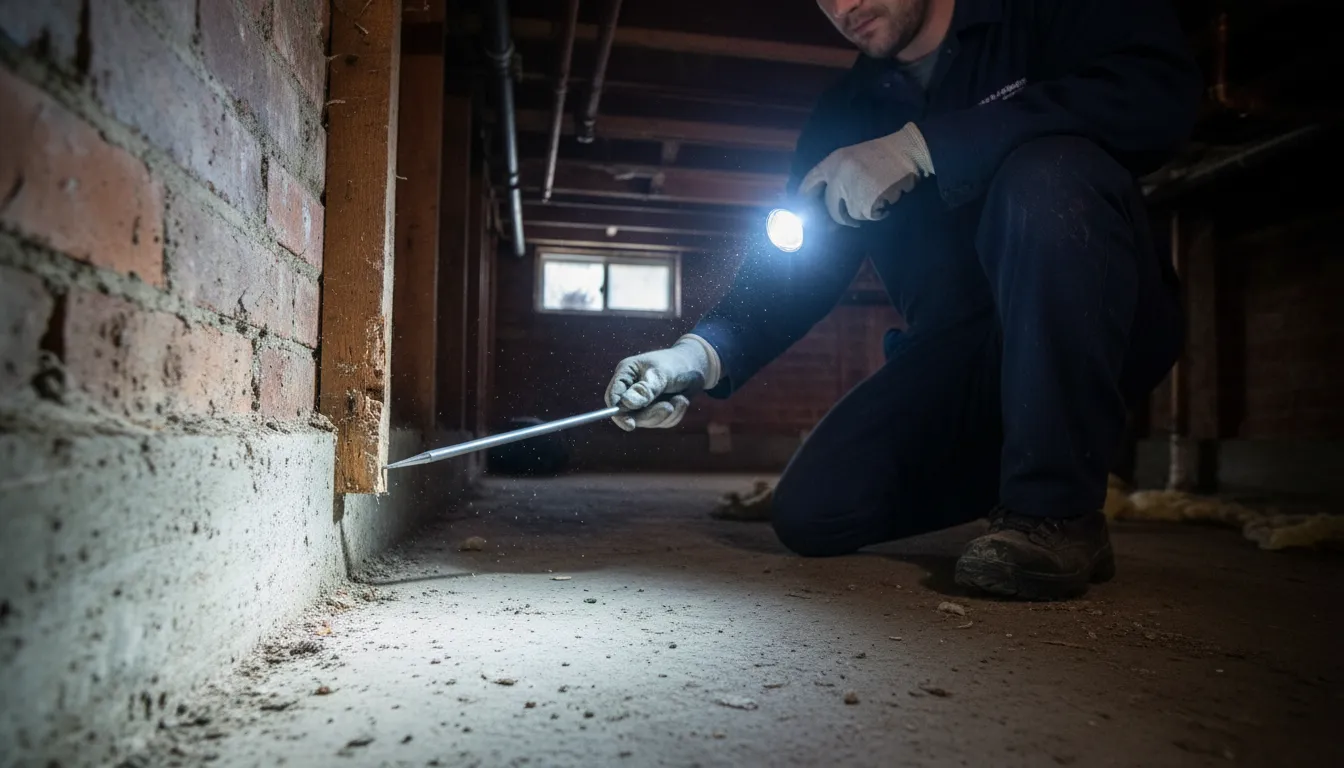
A Scientific Pest Control has built its reputation on doing termite work the right way. We don’t cut corners on product, and we don’t rush through inspections. Our clients trust us because we deliver results they can verify.
Don't Let Pests Take Over Your Home
Our California pest control experts are ready to protect your property. Call us today for a free, no-obligation inspection.
Signs You Need Termite Control
Termite control starts with recognizing the warning signs before structural damage becomes severe. If you suspect a termite problem, do not delay. Here are five indicators that your property may have an active termite infestation.
Mud Tubes on Foundation Walls:
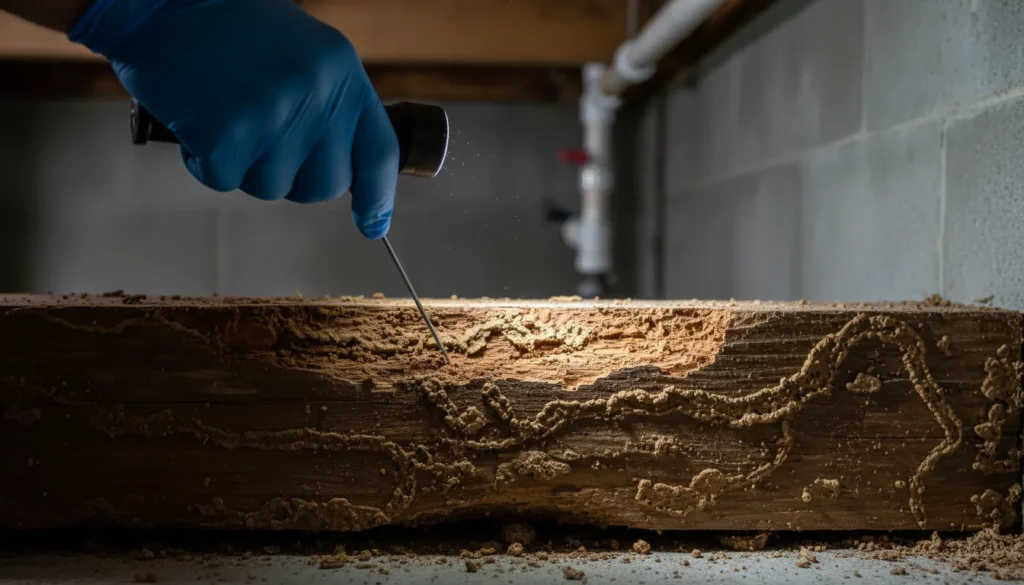
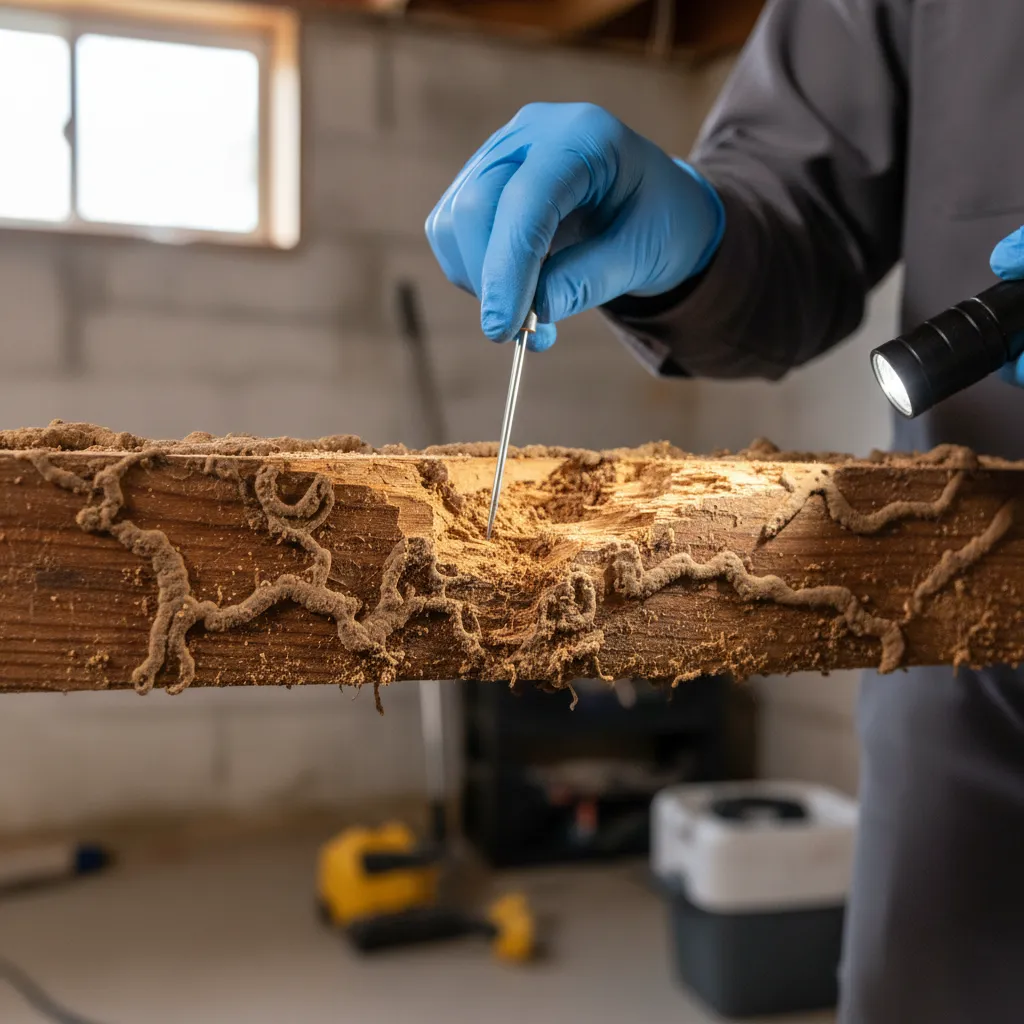
Subterranean termites construct mud tubes to travel between soil and wood. These pencil width tunnels typically appear along concrete foundations, crawl space piers, and basement walls. If you spot mud tubes, a colony is actively foraging inside your structure. Break one open. Pale white worker termites inside confirm a live infestation that demands immediate professional treatment.
Swarmers Near Windows and Doors:
Winged reproductive termites, called alates, swarm in warm months to establish new colonies. Finding discarded wings on windowsills, near light fixtures, or around entry points signals that a mature colony exists nearby. Swarmers don’t travel far from their nest. Their presence inside your home means termites have already colonized the structure.
Hollow Sounding Wood:
Tap along baseboards, door frames, and exposed beams with a screwdriver handle. Termites devour wood from the inside out, leaving a thin shell that sounds hollow when struck. Compromised wood may also feel soft or crumble under light pressure. This damage often extends deep into joists, sill plates, and structural framing that you can’t see without a thorough inspection.
Frass and Kick Out Holes:
Drywood termites push fecal pellets, called frass, out of small kick out holes in infested wood. These tiny oval shaped pellets accumulate in small piles beneath infested areas. Frass near attic eaves, fascia boards, or furniture indicates a drywood colony is boring galleries through the wood above.
Moisture Damaged or Decayed Wood:
Termites gravitate toward dampness. Rotted wood around leaking gutters, downspouts, and moisture damaged crawl spaces creates ideal conditions for colony establishment. If you notice wood rot combined with any other sign on this list, schedule a professional termite inspection immediately.
California Structural Pest Control
General Liability & Workers’ Comp
Ongoing IPM Training
EPA-Compliant Products
Our Termite Control Process
Termite control at A Scientific Pest Control follows a structured six step process designed to eliminate active infestations and prevent future colony establishment.
Comprehensive Inspection
A certified inspector examines your entire property, including the foundation, crawl space, attic, subfloor, and perimeter. We use thermal cameras to detect heat signatures behind walls and moisture meters to identify damp areas that attract termites. We check mud tubes, frass deposits, kick out holes, and wood damage throughout the structure.
Species Identification —
We identify the exact termite species present to determine what type of termite treatment is needed. Subterranean, drywood, and dampwood termites each require different treatment methods. Accurate identification drives every decision that follows.
Treatment Plan
We prepare a written treatment plan that details the infestation scope, recommended termiticide products, application methods, and projected timeline. You’ll know exactly what we plan to do before we drill a single hole.
Active Treatment
Once the plan is ready, our technicians apply the prescribed treatment. This may include trenching and injecting termiticide around the foundation, installing bait stations at strategic intervals, applying borate to exposed wood, using orange oil for targeted drywood termite treatment, or tenting the structure for full fumigation. We match the method to the species and severity to deliver a complete termite treatment.
Verification and Monitoring
After treatment, we reinspect the property to confirm colony elimination. We install or maintain monitoring stations around the perimeter to ensure no existing termite colonies remain and to detect any new termite activity early.
Warranty and Annual Service
We issue a written warranty and schedule annual inspections to keep your property protected. If termites return during the warranty period, we retreat at no charge.
Ready to Get Started?
Three simple steps: Call us, schedule your free inspection, and enjoy a pest-free home.
Brands We Use
Termite control products must be proven, EPA registered, and applied by licensed professionals. A Scientific Pest Control uses only top rated, commercially tested brands trusted across the pest management industry.








Every product we apply carries full EPA registration.
Other Services
Termite control
Termite treatment services
Subterranean termite extermination
Termite inspection
Termite damage assessment
Mud tube detection and removal
Termite exterminator
Professional termite specialist
Colony elimination and prevention
Termite fumigation
Structural tenting for termites
Drywood termite fumigant application
Termite prevention
Termite barrier installation
Pre construction soil treatment
FAQs About Termite Control
What does termite control involve?
Termite control is the process of detecting, treating, and preventing termite infestations in buildings and structures. It includes professional inspection using specialized equipment, application of termiticides through soil injection or wood treatment, installation of bait systems, and in severe cases, full structure fumigation under a sealed tent. The specific approach depends on the termite species, the extent of the infestation, and the construction type of the property.
When should I schedule a termite inspection?
Schedule a termite inspection once a year as a preventive measure. Call immediately if you notice mud tubes on your foundation, swarmers inside your home, hollow sounding wood, frass piles beneath wooden surfaces, or visible wood damage. Real estate transactions also require a termite inspection and clearance report before closing. Spring and early summer are peak swarming seasons, making them the most common times for new infestations to become visible.
Why are termites so destructive?
A single subterranean termite colony can contain hundreds of thousands of workers that feed on wood cellulose around the clock. They bore galleries through joists, beams, sill plates, and studs without breaking through the surface, so damage accumulates for months or years before anyone notices. Untreated infestations cause structural compromise that costs thousands of dollars in damage repair.
How long does termite treatment take?
Most liquid barrier treatments take one day to complete. Bait station installations require a few hours for initial placement, followed by monthly or quarterly monitoring visits. Full structure fumigation with tenting typically requires two to three days, including evacuation, treatment, ventilation, and clearance certification.
Can I prevent termites on my own?
You can reduce risk by eliminating wood to soil contact, removing woodpiles and mulch from your foundation perimeter, repairing leaking gutters and downspouts, installing vapor barriers in crawl spaces, and running dehumidifiers in damp areas. These steps help, but they don’t replace professional termite control. Only a licensed exterminator can apply regulated termiticides, install commercial bait systems, and issue a warranty that guarantees ongoing protection.
Does termite control come with a warranty?
Yes. A Scientific Pest Control provides a written warranty with every termite treatment. Our warranty covers retreat service at no cost if termites return during the coverage period. We also offer renewable annual contracts that include scheduled inspections and continued monitoring to keep your property protected year after year.
Protect Your Home Today
Get expert termite control backed by science, delivered by certified professionals across California. Your free inspection is one call away.